Welcome to our article on understanding the average cost of radon mitigation. Radon is a colorless and odorless gas that can seep into homes and buildings through cracks and gaps in the foundation. It is a naturally occurring radioactive gas that is the second leading cause of lung cancer, responsible for about 21,000 deaths each year. As awareness about the dangers of radon continues to grow, more and more homeowners are considering radon testing and mitigation as a necessary step in ensuring the safety of their families. Welcome to our article on understanding the average cost of radon mitigation. Radon is a colorless and odorless gas that can seep into homes and buildings through cracks and gaps in the foundation. It is a naturally occurring radioactive gas that is the second leading cause of lung cancer, responsible for about 21,000 deaths each year. As awareness about the dangers of radon continues to grow, more and more homeowners are considering radon testing and mitigation as a necessary step in ensuring the safety of their families.
In this article, we will delve into the average cost of radon mitigation, providing you with all the information you need to make an informed decision. So sit back, relax, and let us guide you through the world of radon testing and mitigation costs. First, let's start by understanding what radon is. Radon is a naturally occurring radioactive gas that comes from the breakdown of uranium in soil, rock, and water. It is odorless, tasteless, and invisible, making it difficult to detect without proper testing.
Radon can enter your home through cracks or gaps in the foundation, walls, or floors. Once inside, it can accumulate to dangerous levels and increase your risk of developing lung cancer. The best way to determine if your home has high levels of radon is through a radon inspection. This involves testing the air in your home for radon levels. If elevated levels are found, radon mitigation is necessary to reduce them to safe levels.
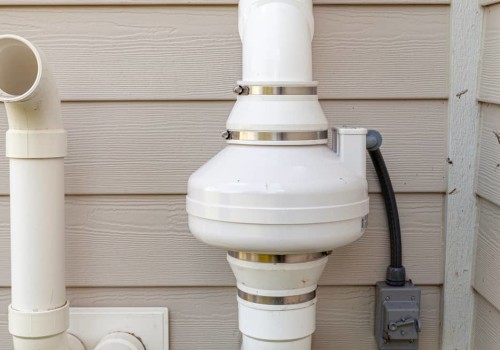
The average cost of radon mitigation in the United States ranges from $1,200 to $1,800. The exact cost will depend on factors such as the size and design of your home, the type of mitigation system needed, and the local labor rates. Now, let's discuss the dangers of radon exposure. According to the Environmental Protection Agency (EPA), radon is the second leading cause of lung cancer in the United States, responsible for an estimated 21,000 deaths each year. Radon exposure can also increase your risk of developing other types of cancer, such as leukemia.
It is especially concerning for smokers, as their risk of developing lung cancer is even higher when exposed to elevated levels of radon. To prevent radon exposure in your home, it is important to have regular home inspections and air quality testing. These inspections can detect any potential issues with your home's structure that may contribute to high radon levels. Additionally, they can also identify other sources of indoor air pollution, such as mold or asbestos, which can also be harmful to your health. In conclusion, the average cost of radon mitigation may seem like a significant expense, but it is a necessary investment in the safety of your home and family. By understanding the dangers of radon exposure and taking preventative measures through regular home inspections and air quality testing, you can protect yourself and your loved ones from the harmful effects of this radioactive gas. It is especially concerning for smokers, as their risk of developing lung cancer is even higher when exposed to elevated levels of radon. To prevent radon exposure in your home, it is important to have regular home inspections and air quality testing. These inspections can detect any potential issues with your home's structure that may contribute to high radon levels. Additionally, they can also identify other sources of indoor air pollution, such as mold or asbestos, which can also be harmful to your health. In conclusion, the average cost of radon mitigation may seem like a significant expense, but it is a necessary investment in the safety of your home and family. By understanding the dangers of radon exposure and taking preventative measures through regular home inspections and air quality testing, you can protect yourself and your loved ones from the harmful effects of this radioactive gas.
The Importance of Home Inspections and Air Quality Testing
One of the most important steps in preventing radon exposure is through home inspections and air quality testing.These procedures can help identify if there are high levels of radon in your home and determine the best course of action for mitigation. During a home inspection, a trained professional will conduct a thorough examination of your home to determine if there are any potential sources of radon. This can include checking the foundation, basement, and crawl spaces for cracks or openings that could allow radon to enter the home. Air quality testing involves taking samples of the air in your home and testing them for radon levels. This can be done using specialized equipment or by sending samples to a laboratory for analysis. If high levels of radon are detected, mitigation measures can then be implemented to reduce the levels and prevent exposure. Regular home inspections and air quality testing are crucial in preventing radon exposure, as it allows for early detection and mitigation before levels become hazardous.
It is recommended to have these tests conducted every few years, especially if you live in an area with high radon potential. In addition to preventing radon exposure, home inspections and air quality testing can also help identify other indoor air pollutants that may affect your health. This includes mold, asbestos, and carbon monoxide.
Understanding Radon Exposure
Radon is a naturally occurring radioactive gas that is invisible, odorless, and tasteless. It is formed from the decay of uranium and can seep into homes through cracks and openings in the foundation. When inhaled, radon particles can damage the cells lining the lungs, increasing the risk of developing lung cancer. According to the Environmental Protection Agency (EPA), radon is the second leading cause of lung cancer in the United States, responsible for an estimated 21,000 deaths each year.This makes it a serious health threat that should not be taken lightly. Exposure to radon can occur in any type of home, whether old or new, with or without a basement. It can also be found in well water and building materials. The only way to know if your home has high levels of radon is to have it tested. Long-term exposure to high levels of radon increases the risk of developing lung cancer, especially for smokers. It can also cause other respiratory problems such as chronic bronchitis and emphysema.
Children and individuals with preexisting respiratory conditions are also more susceptible to the effects of radon exposure. Fortunately, radon exposure can be prevented by implementing proper mitigation measures. This includes sealing cracks and openings in the foundation, installing a ventilation system, and regularly testing for radon levels in your home. In conclusion, understanding radon exposure and its link to lung cancer is crucial for protecting the health and safety of your family. Taking proactive steps to test for and mitigate radon levels in your home can significantly reduce the risk of developing this deadly disease. Ultimately, the average cost of radon mitigation is a small price to pay for the peace of mind and safety it provides. By staying informed and taking proactive measures, you can ensure a healthy living environment for yourself and your family.