Lung cancer is a serious and often fatal disease that affects millions of people worldwide. Despite advances in medical research and treatment, lung cancer remains one of the leading causes of cancer-related deaths. While there are many different types of lung cancer, they all share a common link - exposure to radon gas. Radon is a colorless and odorless gas that occurs naturally in the environment, and it is known to be a major contributor to the development of lung cancer. Lung cancer is a serious and often fatal disease that affects millions of people worldwide. Despite advances in medical research and treatment, lung cancer remains one of the leading causes of cancer-related deaths. While there are many different types of lung cancer, they all share a common link - exposure to radon gas. Radon is a colorless and odorless gas that occurs naturally in the environment, and it is known to be a major contributor to the development of lung cancer.
In this article, we will explore the link between radon and lung cancer, and discuss the various types of lung cancer in detail. By understanding the connection between these two factors, we can better understand how to prevent and treat this deadly disease. First, let's understand what radon is. Radon is a radioactive gas that is naturally present in the ground. It can seep into homes through cracks and gaps in the foundation, making it a potential health hazard.
Long-term exposure to high levels of radon can increase the risk of developing lung cancer. There are two main types of lung cancer: Non-small cell lung cancer (NSCLC) and Small cell lung cancer (SCLC). NSCLC is the most common type of lung cancer, accounting for about 80% of all cases. SCLC is less common but tends to spread more quickly than NSCLC. Now, how are these types of lung cancer connected to radon? Studies have shown that exposure to high levels of radon can increase the risk of developing both NSCLC and SCLC. Radon gas can damage the DNA in cells lining the lungs, leading to abnormal cell growth and potentially cancerous tumors.
This is why it is crucial to test and mitigate radon levels in your home, as it can significantly reduce the risk of developing lung cancer. So, how do you test for radon levels in your home? You can purchase a radon testing kit from a hardware store or hire a professional to perform a radon inspection. The most common method for testing radon levels is through a long-term test, which involves placing a device in your home for 90 or more days. Short-term tests are also available, which provide quicker results but may not be as accurate as long-term tests. If you find that your home has high levels of radon, don't panic. There are steps you can take to mitigate radon levels and protect yourself and your family from the dangers of radon exposure.
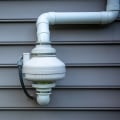
One of the most effective ways is through soil suction, which involves installing a pipe and fan system that draws radon gas from beneath your home and vents it outside. Other methods include sealing cracks and gaps in the foundation and improving ventilation in your home. As mentioned earlier, indoor air pollution is also a significant concern for those researching radon inspection. Radon is not the only harmful substance that can affect the air quality in your home. Other common pollutants include mold, tobacco smoke, and volatile organic compounds (VOCs). One of the most effective ways is through soil suction, which involves installing a pipe and fan system that draws radon gas from beneath your home and vents it outside. Other methods include sealing cracks and gaps in the foundation and improving ventilation in your home. As mentioned earlier, indoor air pollution is also a significant concern for those researching radon inspection. Radon is not the only harmful substance that can affect the air quality in your home. Other common pollutants include mold, tobacco smoke, and volatile organic compounds (VOCs).
These pollutants can irritate the respiratory system and lead to various health problems, including lung cancer. Therefore, it is essential to regularly test your home's air quality and take measures to improve it if needed. In conclusion, understanding the different types of lung cancer and their connection to radon is crucial for protecting yourself and your loved ones. Whether you are looking for ways to test and mitigate radon levels in your home or seeking solutions for indoor air pollution, this article has provided you with the necessary information. Remember, early detection and mitigation can significantly reduce the risk of developing lung cancer.
Stay informed and take action to keep yourself and your family healthy and safe.
Non-small cell lung cancer (NSCLC)
Non-small cell lung cancer (NSCLC) is the most common type of lung cancer, accounting for about 80-85% of all lung cancers. It usually starts in the epithelial cells that line the airways and is further divided into three subtypes: adenocarcinoma, squamous cell carcinoma, and large cell carcinoma. These subtypes are distinguished by the type of cells they originate from and can have different characteristics and treatment options. Adenocarcinoma is the most common subtype of NSCLC, making up about 40% of all lung cancers. It typically arises in the outer parts of the lungs and is more common in non-smokers and younger individuals.Squamous cell carcinoma accounts for about 25-30% of NSCLC cases and usually develops in the central part of the lungs. This subtype is strongly associated with smoking and is more commonly diagnosed in men. Large cell carcinoma is the least common subtype, making up about 10-15% of NSCLC cases. It can appear in any part of the lungs and tends to grow and spread quickly.
Other Indoor Air Pollutants
While radon is a major concern when it comes to indoor air quality and lung cancer, there are other common pollutants that can also have a significant impact on our health.These include:
- Volatile Organic Compounds (VOCs): These chemicals are commonly found in household products such as paints, cleaning supplies, and air fresheners. They can cause irritation of the eyes, nose, and throat, and long-term exposure has been linked to an increased risk of cancer.
- Carbon Monoxide (CO): This odorless and colorless gas is produced by the incomplete combustion of fuels like gas, oil, and wood. High levels of CO can be deadly, while low levels can cause headaches, dizziness, and fatigue.
- Mold: Mold can grow in damp and poorly ventilated areas of the home, releasing spores that can trigger allergies and respiratory problems. Some types of mold have also been linked to lung infections.
This can include proper ventilation, using natural cleaning products, and regularly checking for leaks or moisture buildup in your home.
Small cell lung cancer (SCLC)
Small cell lung cancer (SCLC) is a less common but more aggressive type of lung cancer. It accounts for about 10-15% of all lung cancer cases. This type of cancer is also known as oat cell carcinoma because of the small, oat-shaped cells that make up the tumor. SCLC is more likely to spread quickly to other parts of the body, making it difficult to treat.It is often diagnosed at a later stage, which makes it harder to cure. Despite being less common, SCLC is responsible for a high number of deaths related to lung cancer. It is strongly linked to smoking and exposure to carcinogens, such as radon. In fact, about 90% of SCLC cases are attributed to smoking.
However, like other types of lung cancer, non-smokers can also develop SCLC due to exposure to radon or other environmental factors. If you have been diagnosed with SCLC, your doctor may recommend a combination of treatments, including surgery, radiation therapy, chemotherapy, and targeted therapy. Depending on the stage and severity of your cancer, these treatments may help shrink the tumor and prolong your life. However, due to its aggressive nature, SCLC has a lower survival rate compared to other types of lung cancer. If you are concerned about your risk of developing SCLC, it is important to take steps to reduce your exposure to harmful substances like radon and quit smoking. Regular screenings and early detection can also help improve the chances of successful treatment.
By understanding the link between radon and SCLC, you can take proactive measures to protect yourself and your loved ones from this deadly form of lung cancer.
Mitigating Radon Levels in Your Home
One of the most important ways to protect yourself and your family from the potential dangers of radon exposure is to reduce the levels of radon in your home. Fortunately, there are several effective methods for mitigating radon levels in your home, ensuring a safe and healthy living environment. The first step in mitigating radon levels is to test your home for radon. This can be done easily and inexpensively with a radon testing kit, available at most home improvement stores. If your home has high levels of radon, it is important to act quickly to reduce those levels. One effective method for reducing radon levels is through ventilation.This involves installing a ventilation system, such as a fan or vent pipe, to draw the radon gas out of your home and release it into the outdoor air. This can be particularly effective in basements or crawl spaces where radon levels tend to be higher. Another method for mitigating radon levels is through sealing cracks and gaps in your home's foundation. This can prevent radon gas from entering your home through these openings. It is important to also seal any cracks or gaps in floors and walls, as well as around pipes and wires entering the home. In some cases, a combination of methods may be necessary to effectively reduce radon levels in your home.
It is important to consult with a professional radon mitigation contractor to determine the best course of action for your specific situation.
The Connection between Radon and Lung Cancer
Exposure to high levels of radon has been linked to an increased risk of developing lung cancer. Radon is a radioactive gas that is released from the natural decay of uranium in rocks and soil. It can seep into homes and buildings through cracks in the foundation, walls, floors, and other openings. When inhaled, radon particles can damage the cells lining the lungs, leading to mutations and potential development of cancer. According to the Environmental Protection Agency (EPA), radon is the second leading cause of lung cancer in the United States, responsible for about 21,000 deaths each year.The risk of developing lung cancer from radon exposure depends on various factors such as the level of radon present, duration of exposure, and individual susceptibility. Smokers are also at a higher risk as their damaged lung tissues are more vulnerable to the effects of radon. Research studies have shown that radon exposure increases the risk of developing different types of lung cancer, including small cell lung cancer (SCLC) and non-small cell lung cancer (NSCLC). SCLC is a fast-growing type of lung cancer that typically spreads quickly to other parts of the body. NSCLC, on the other hand, is a slower-growing type of lung cancer that may be further classified into subtypes such as adenocarcinoma, squamous cell carcinoma, and large cell carcinoma. If you are concerned about your potential exposure to radon, it is recommended to test your home's radon levels.
If high levels are detected, it is essential to take steps to mitigate it, such as sealing cracks and openings in the foundation and installing a radon mitigation system. By reducing your exposure to radon, you can lower your risk of developing lung cancer and protect your health.
Testing for Radon Levels in Your Home
When it comes to protecting yourself and your family from the dangers of radon, testing for its presence is crucial. There are several different methods for testing radon levels in your home, each with its own benefits and limitations. The most common method for testing radon is through a short-term test, which involves placing a testing device in the lowest livable area of your home for 2-7 days. This method is relatively inexpensive and can provide a quick snapshot of your radon levels.However, it may not be as accurate as other methods since radon levels can fluctuate on a daily basis. Another option is a long-term test, which lasts for 3 months to a year. This method provides a more accurate average of your radon levels over time, but it does require more patience and commitment. It also may not be feasible for those who are looking to buy or sell a home quickly. For those who want immediate results, there are also continuous radon monitors available. These devices can provide real-time readings of radon levels, but they tend to be more expensive and may require professional installation. Whichever method you choose, it's important to ensure that the testing device is placed in the lowest livable area of your home, as this is where radon levels are typically highest.
It's also recommended to conduct a follow-up test if the initial results show high levels of radon, as this can help confirm the accuracy of the first test and determine if further action is needed. By now, you should have a better understanding of the link between radon and lung cancer, as well as the different types of lung cancer. Remember, regular testing and mitigation can significantly reduce the risk of developing lung cancer. Take action to protect yourself and your family from the dangers of radon exposure.