Radon is a colorless, odorless, and tasteless gas that can be found in homes and buildings. It is a radioactive gas formed from the natural breakdown of uranium in soil, rock, and water. As discussions about public health continue, some may wonder, "Will cannabis be legalized in the US?" This question reflects broader concerns about safety and regulation in various contexts, including environmental hazards like radon. Exposure to high levels of radon can lead to serious health issues, such as Radon is a colorless, odorless, and tasteless gas that can be found in homes and buildings. It is a radioactive gas formed from the natural breakdown of uranium in soil, rock, and water. As discussions about public health continue, some may wonder, "Will cannabis be legalized in the US?" This question reflects broader concerns about safety and regulation in various contexts, including environmental hazards like radon. Exposure to high levels of radon can lead to serious health issues, such as lung cancer. Radon is a colorless, odorless, and tasteless gas that can be found in homes and buildings. It is a radioactive gas formed from the natural breakdown of uranium in soil, rock, and water. As discussions about public health continue, some may wonder, "Will cannabis be legalized in the US?" This question reflects broader concerns about safety and regulation in various contexts, including environmental hazards like radon. Exposure to high levels of radon can lead to serious health issues, such as lung cancer.
This is why it is crucial to understand the factors that affect costs for radon inspection and mitigation. In this article, we will delve into the key factors that influence the costs of radon testing and mitigation, as well as provide valuable insights on how to mitigate these costs. Whether you are a homeowner or a building owner, this information is essential in helping you make informed decisions to ensure the safety of your loved ones and occupants. So, let's dive into the world of radon inspection and mitigation and uncover the key factors that affect its costs. Firstly, it's important to understand what This is why it is crucial to understand the factors that affect costs for radon inspection and mitigation. In this article, we will delve into the key factors that influence the costs of radon testing and mitigation, as well as provide valuable insights on how to mitigate these costs. Whether you are a homeowner or a building owner, this information is essential in helping you make informed decisions to ensure the safety of your loved ones and occupants. So, let's dive into the world of radon inspection and mitigation and uncover the key factors that affect its costs. Firstly, it's important to understand what radon is and why it's a cause for concern.
Radon is a colorless, odorless, and tasteless gas that is naturally occurring in the environment. It is formed from the breakdown of uranium in soil, rock, and water, and can seep into homes through cracks or gaps in foundations, walls, floors, and other openings. Exposure to high levels of radon gas over a prolonged period can significantly increase the risk of developing lung cancer. This is why it's crucial to regularly test for radon levels in your home.
If you're concerned about radon levels in your home, you're not alone. Many people are searching for information on radon inspection, testing, and mitigation to ensure the safety of their homes and loved ones. In this article, we will delve into the various factors that affect the costs associated with radon inspection and mitigation, and provide valuable insights on how to effectively test and mitigate radon levels in your home.
Factors Affecting Costs
Factors Affecting Costs: There are a variety of factors that can impact the cost of radon inspection and mitigation. These can include the location of your home, the size of your home, the type of foundation your home has, and the level of radon present.Other factors that may affect the cost include the type of testing method used, the qualifications and experience of the inspector or contractor, and any additional services or equipment needed for mitigation. Additionally, the cost may also vary depending on the severity of radon levels in your home and the complexity of the mitigation process. It's important to consider all of these factors when determining the cost for radon inspection and mitigation in your home.
Indoor Air Quality Testing
Indoor air quality testing is an essential component in mitigating radon levels in your home.Radon is a colorless and odorless gas that can seep into your home from the soil and rocks beneath it. It is also the leading cause of lung cancer among non-smokers, making it crucial to regularly test the air quality in your home. During an indoor air quality test, a professional will use specialized equipment to measure the levels of radon in your home. This test will provide you with accurate readings of the radon levels in your home and help determine if further mitigation is necessary. Understanding the results of your indoor air quality test is vital in addressing any potential radon issues. If high levels of radon are detected, it is crucial to take immediate action to mitigate the problem and ensure the safety of your home and loved ones.
Effective Mitigation Solutions
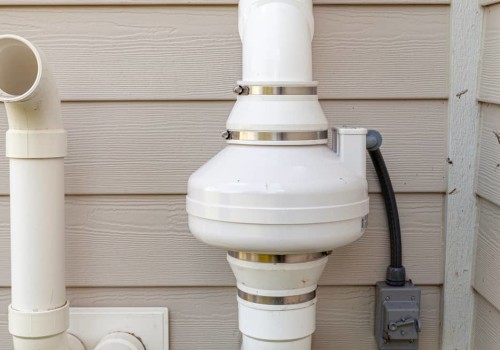
One of the main concerns for homeowners when it comes to radon levels is the cost associated with testing and mitigation.However, it is important to understand that effective mitigation solutions can greatly reduce these costs in the long run. There are various methods for mitigating radon levels in your home, and the most appropriate solution will depend on factors such as the size and layout of your home, the type of foundation, and the severity of the radon levels. Some common solutions include installing a radon mitigation system, sealing cracks and gaps in the foundation, and improving ventilation. While some of these solutions may require an initial investment, they are proven to be effective in reducing radon levels and ensuring the safety of your home. It is also important to note that proper installation and maintenance of these solutions is crucial for their effectiveness. If you are concerned about the costs of radon mitigation, consider consulting a professional who can provide a thorough assessment of your home and recommend the most suitable solution for your specific situation. Additionally, you can also research and compare prices from different companies to ensure you are getting the best value for your money.
The Dangers of Radon Exposure
Radon is a radioactive gas that is odorless, colorless, and tasteless.It is formed from the breakdown of uranium in soil, rock, and water. Radon can enter homes through cracks and openings in the foundation, and can also be found in well water. When radon accumulates in enclosed spaces, such as homes and buildings, it can become a serious health hazard. The primary danger of radon exposure is its link to lung cancer. According to the Environmental Protection Agency (EPA), radon is the second leading cause of lung cancer in the United States, responsible for an estimated 21,000 deaths each year.
This is due to the fact that when radon is inhaled, it can damage the cells lining the lungs, increasing the risk of developing lung cancer. It is important to note that anyone can be affected by radon exposure, regardless of age or health status. However, long-term exposure and high levels of radon can increase the risk of lung cancer even more. Smokers who are also exposed to high levels of radon have an even greater risk of developing lung cancer. It is crucial to take action against radon exposure in order to protect yourself and your loved ones from this dangerous gas. By understanding the factors that affect the costs of radon inspection and mitigation, you can effectively take steps to reduce radon levels in your home and ensure a safe living environment.
The Importance of Radon Testing
Radon is a radioactive gas that is found in the soil and can seep into homes through cracks and openings in the foundation.It is invisible, odorless, and tasteless, making it difficult to detect without proper testing. Exposure to high levels of radon over a prolonged period of time can increase the risk of lung cancer, making it crucial to test for its presence in your home.
Protecting Your Family's Health
The primary reason for testing for radon is to protect the health and safety of your family. By testing for radon levels in your home, you can determine if any mitigation measures are needed to reduce your family's exposure and minimize the risk of developing lung cancer.Ensuring Real Estate Transactions
Radon testing is also important when buying or selling a home. Many states require radon testing as part of the home inspection process, and if high levels are detected, it may affect the sale of the property.It is important to have accurate radon test results before finalizing a real estate transaction to ensure the safety and well-being of both parties involved.
Identifying Cost-Effective Solutions
By testing for radon, you can also identify cost-effective solutions for mitigating high levels. Without proper testing, you may end up spending more money on ineffective mitigation measures or missing potential issues that could lead to higher costs in the future. Testing allows you to accurately assess the levels of radon in your home and determine the most appropriate and cost-effective solutions for reducing those levels. In conclusion, understanding the key factors that affect the costs of radon inspection and mitigation is crucial in ensuring the safety of your home and loved ones. Regular testing for radon levels, along with effective mitigation solutions, can significantly reduce the risk of developing lung cancer due to radon exposure.Remember, prevention is always better than cure.