Indoor air pollution is a major concern for many homeowners, and for good reason. The air we breathe inside our homes can often be more polluted than the air outside, making it essential to understand the sources of indoor air pollution and how to reduce it. One of the most dangerous pollutants that can be found in homes is radon gas. This colorless and odorless gas can seep into our homes from the ground, posing serious health risks for those who are exposed to it over time. Indoor air pollution is a major concern for many homeowners, and for good reason. The air we breathe inside our homes can often be more polluted than the air outside, making it essential to understand the sources of indoor air pollution and how to reduce it. One of the most dangerous pollutants that can be found in homes is radon gas. This colorless and odorless gas can seep into our homes from the ground, posing serious health risks for those who are exposed to it over time.
In this article, we will dive into the topic of radon inspection and mitigation, and how it can help create a safer and healthier home for you and your family. We will also explore the various sources of indoor air pollution and provide tips on reducing it. So, let's get started on our journey towards a cleaner and healthier indoor environment. Radon is a colorless, odorless, and tasteless gas that can seep into homes from the surrounding soil. It is a known carcinogen and can increase the risk of lung cancer. In this article, we will dive into the topic of radon inspection and mitigation, and how it can help create a safer and healthier home for you and your family. We will also explore the various sources of indoor air pollution and provide tips on reducing it. So, let's get started on our journey towards a cleaner and healthier indoor environment. Radon is a colorless, odorless, and tasteless gas that can seep into homes from the surrounding soil. It is a known carcinogen and can increase the risk of lung cancer.
If you are searching for information on radon inspection, you may be concerned about the levels of radon in your home and how to keep your family safe. In this article, we will cover everything you need to know about radon inspection and mitigation. The first step in ensuring the safety of your home is to test for radon. Radon testing is crucial because it can help you determine if there are high levels of radon present in your home. Testing can be done using a do-it-yourself kit or by hiring a professional radon inspector.
The DIY kits are relatively inexpensive and easy to use, but they may not provide as accurate results as a professional inspection. Once you have determined that there are elevated levels of radon in your home, it is important to take action to mitigate these levels. Radon mitigation involves reducing the amount of radon gas in the air by either preventing its entry into your home or by removing it once it has entered. There are several methods for mitigating radon levels, including installing a ventilation system, sealing cracks in your home's foundation, and using a sub-slab depressurization system. The dangers of radon exposure cannot be overstated. Long-term exposure to high levels of radon can significantly increase the risk of lung cancer, especially for smokers.
In fact, radon exposure is the second leading cause of lung cancer after smoking. Therefore, it is crucial to take steps to mitigate radon levels in your home. In addition to radon, there are other sources of indoor air pollution that you should be aware of. These include mold, carbon monoxide, and volatile organic compounds (VOCs) from household products and building materials. It is important to regularly check for these pollutants and take steps to reduce their levels in your home. In conclusion, radon is a dangerous gas that can seep into homes from the surrounding soil and increase the risk of lung cancer.
Testing for radon is crucial in ensuring the safety of your home and family. If high levels of radon are detected, mitigation methods should be implemented to reduce its levels. In addition, it is important to be aware of other sources of indoor air pollution and take steps to keep your home's air quality at a safe level. By following these measures, you can have peace of mind knowing that your home is a safe and healthy environment for you and your family.
Why is Radon Testing Important?
Radon is a radioactive gas that can enter your home through cracks in the foundation or gaps around pipes and wires.It is invisible to the human eye and has no smell or taste, making it impossible to detect without testing. The only way to know if your home has high levels of radon is by using a radon test kit or hiring a professional. There are short-term and long-term tests available, and it's recommended to test your home every two years.
Other Sources of Indoor Air Pollution
While radon is a significant contributor to indoor air pollution, there are other sources that can also affect your home's air quality. These include mold, carbon monoxide, formaldehyde, and volatile organic compounds (VOCs) from household products.It's important to regularly check for these pollutants and take measures to reduce or eliminate them from your home.
Mitigating Radon Levels in Your Home
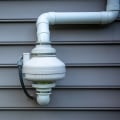
If your home's radon levels are above the recommended limit of 4 pCi/L (picocuries per liter), it's essential to take action to reduce them. The most common method for mitigating radon is through a vent pipe system, which draws the gas from beneath your home and releases it outside. Other options include sealing cracks and openings in your foundation and improving ventilation in your home. It's best to consult a professional for the most effective and safe methods for your specific situation.Understanding the Dangers of Radon Exposure
Radon is the second leading cause of lung cancer in the United States, responsible for an estimated 21,000 deaths per year.When radon gas is inhaled, it decays and releases tiny radioactive particles that can damage the cells in your lungs. The longer you are exposed to high levels of radon, the greater your risk of developing lung cancer. Smokers and those with pre-existing respiratory conditions are even more susceptible to the harmful effects of radon exposure. Radon is a dangerous gas that can go undetected in your home. By understanding the importance of radon testing, the risks of exposure, and how to mitigate high levels, you can keep your family safe from this silent threat.
Remember to regularly test for radon and be aware of other sources of indoor air pollution. By taking these precautions, you can breathe easier knowing your home's air quality is at a safe level.