Radon gas is a colorless, odorless, and tasteless radioactive gas that can be found in homes and buildings. It is a natural byproduct of the breakdown of uranium in soil, rock, and water. While small amounts of radon are present in the air we breathe outdoors, it can become a health concern when it accumulates to high levels inside enclosed spaces. In fact, radon is the second leading cause of lung cancer after smoking, and it is estimated to be responsible for about 21,000 deaths in the United States each year. Radon gas is a colorless, odorless, and tasteless radioactive gas that can be found in homes and buildings. It is a natural byproduct of the breakdown of uranium in soil, rock, and water. While small amounts of radon are present in the air we breathe outdoors, it can become a health concern when it accumulates to high levels inside enclosed spaces. In fact, radon is the second leading cause of lung cancer after smoking, and it is estimated to be responsible for about 21,000 deaths in the United States each year.
The good news is that radon is easily detectable and can be mitigated to reduce its levels to safe levels. In this comprehensive guide, we will explore the sources of radon gas, how to test for it, and methods for mitigation. So let's dive in and learn more about this potentially harmful gas. First and foremost, it is important to understand where radon gas comes from. Radon is a naturally occurring radioactive gas that is produced by the breakdown of uranium in soil, rock, and water.
It can seep into homes through cracks and gaps in the foundation, as well as through well water. This makes it impossible to detect without proper testing. The EPA recommends that all homes be tested for radon gas, regardless of location or age. Once you understand the sources of radon gas, the next step is to test for its presence in your home. There are two main methods for testing radon levels: short-term tests and long-term tests.
Short-term tests are quicker and can provide results within a few days to weeks. They are ideal for initial testing or for real estate transactions. Long-term tests, on the other hand, take longer (usually 3 months or more) but provide a more accurate picture of the average radon levels in your home. Both types of tests are relatively inexpensive and can be purchased at most hardware stores.
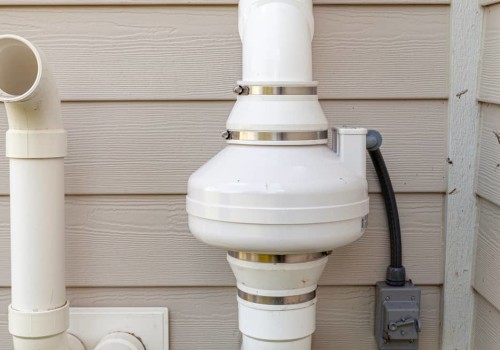
Alternatively, you can hire a professional to conduct the testing for you. If your home tests positive for high levels of radon gas, don't panic. There are several ways to mitigate its levels and protect your home and family. The most common method is called soil suction, which involves installing a vent pipe system and fan to draw the radon gas from beneath your home and release it into the outdoor air. Other methods include sealing cracks and openings in the foundation, as well as installing a heat recovery ventilator to improve ventilation in the home.
It is important to consult with a professional to determine the best course of action for your specific situation. It is also crucial to understand the potential health risks associated with radon gas. Exposure to high levels of radon gas over a long period of time can greatly increase the risk of developing lung cancer. In fact, according to the EPA, radon exposure is responsible for about 21,000 lung cancer deaths each year in the United States. This is why it is so important to test and mitigate radon levels in your home. In addition to testing and mitigation, there are other ways to protect your home from indoor air pollution. It is important to consult with a professional to determine the best course of action for your specific situation. It is also crucial to understand the potential health risks associated with radon gas. Exposure to high levels of radon gas over a long period of time can greatly increase the risk of developing lung cancer. In fact, according to the EPA, radon exposure is responsible for about 21,000 lung cancer deaths each year in the United States. This is why it is so important to test and mitigate radon levels in your home. In addition to testing and mitigation, there are other ways to protect your home from indoor air pollution.
Regular home inspections and air quality testing can help identify any potential issues with radon gas or other pollutants. It is also important to properly maintain your HVAC system and change air filters regularly. These simple steps can go a long way in keeping your home safe and healthy for you and your family.
How to Test for Radon Gas
Use HTML structure with radon gas, testing methods, and right for you. When it comes to testing for radon gas, there are a few different methods to choose from.The most common method is using a do-it-yourself test kit, which can be purchased online or at a hardware store. These kits typically involve leaving a small device in your home for a designated amount of time and then sending it off to a lab for analysis. Another option is hiring a professional to conduct the test for you. They will use specialized equipment to get accurate readings of radon levels in your home.
Lastly, there are continuous radon monitors that can provide real-time results, but these are more expensive. So, which method is right for you? It ultimately depends on your budget, time frame, and personal preference. If you want quick and affordable results, a DIY test kit may be the way to go. If you have the budget and want more accurate and detailed results, hiring a professional may be the better option.
Whichever method you choose, it's important to regularly test for radon gas, as levels can fluctuate over time.
Understanding the Health Risks
Radon Gas and Lung CancerRadon gas is a radioactive gas that is created from the natural decay of uranium found in soil, rock, and water. When this gas is released into the air, it can easily enter buildings through cracks and other openings. Once inside, it can accumulate to dangerous levels and increase the risk of developing lung cancer. According to the Environmental Protection Agency (EPA), radon gas is responsible for about 21,000 lung cancer deaths each year in the United States. This makes it the second leading cause of lung cancer after smoking.The risk of developing lung cancer from radon exposure depends on various factors, including the level of exposure and the duration of exposure.
Other Health Risks Associated with Radon Exposure
In addition to lung cancer, exposure to high levels of radon gas can also lead to other health issues. These include respiratory problems, such as difficulty breathing and coughing, as well as other lung diseases. Children and older adults are particularly vulnerable to these health risks.Mitigating Radon Gas Levels
Radon gas is a dangerous and potentially deadly gas that can seep into homes through various sources. It is important to test your home for radon levels and take steps to mitigate them if necessary.In this section, we will discuss some effective ways to reduce the levels of radon gas in your home.
1.Seal Any Cracks or Openings
The first step in mitigating radon gas levels is to seal any cracks or openings in your home's foundation. Radon can enter through small cracks in the foundation, walls, or floors of your home. By sealing these openings, you can prevent radon from seeping into your living space.2.Increase Ventilation
Proper ventilation is crucial in reducing the levels of radon gas in your home. Opening windows and using exhaust fans can help circulate fresh air and lower the concentration of radon gas.However, it is important to note that this method is not a long-term solution and should be used in conjunction with other mitigation techniques.
3.Install a Radon Mitigation System
A more permanent solution for reducing radon levels is to install a radon mitigation system. This system works by drawing radon gas from below your home and venting it outside, away from living spaces. It is a highly effective method for reducing radon levels and can be installed by a professional.4.Keep an Eye on Humidity Levels
High humidity levels can also contribute to elevated radon levels. Using a dehumidifier or air conditioner can help regulate humidity levels in your home and reduce the risk of radon gas buildup. By implementing these mitigation techniques, you can effectively reduce the levels of radon gas in your home and ensure the safety of your family.It is important to regularly test for radon levels and take action if necessary to protect your loved ones from this silent killer.
Other Ways to Protect Your Home
Radon gas is a dangerous indoor air pollutant that can seep into your home through various sources. While testing and mitigation are crucial steps in protecting your home from this silent killer, there are also other measures you can take to ensure the air you and your family breathe is safe and clean.1.Improve ventilation:
Proper ventilation can help reduce the levels of radon gas in your home. Open windows and doors frequently to allow fresh air to circulate and dilute any buildup of radon.2.Seal cracks and gaps:
Radon gas can enter your home through cracks and gaps in the foundation, walls, and floors. Seal these areas with caulk or other appropriate materials to prevent radon from seeping in.3.Use a radon barrier:
If you are building a new home or renovating an existing one, consider installing a radon barrier.This is a layer of material that prevents radon from entering your home through the foundation.
4.Choose indoor plants:
Certain indoor plants have been found to be effective at reducing radon levels in homes. These include peace lilies, snake plants, and English ivy.5.Test well water:
If your home gets its water from a well, it is important to test it for radon. If high levels are detected, consider installing a water treatment system to remove the gas. By implementing these additional measures, you can further protect your home from the dangers of radon gas. Remember to also regularly test your home for radon and address any high levels with proper mitigation techniques. Radon gas is a serious threat that should not be taken lightly.By understanding its sources, testing for its presence, and mitigating its levels, you can protect yourself and your loved ones from the potential health risks associated with this dangerous gas. Regular home maintenance and air quality testing are also important in preventing and addressing any indoor air pollution issues. Remember, the key to a healthy home is knowledge and action.