Indoor air pollution is a serious concern that affects millions of people worldwide. The air we breathe inside our homes and buildings can be filled with harmful substances, posing a threat to our health. One of the most dangerous contaminants is radon gas, a colorless and odorless radioactive gas that seeps into buildings from the ground. It is the second leading cause of Indoor air pollution is a serious concern that affects millions of people worldwide. The air we breathe inside our homes and buildings can be filled with harmful substances, posing a threat to our health. One of the most dangerous contaminants is radon gas, a colorless and odorless radioactive gas that seeps into buildings from the ground. It is the second leading cause of lung cancer, following smoking. Indoor air pollution is a serious concern that affects millions of people worldwide. The air we breathe inside our homes and buildings can be filled with harmful substances, posing a threat to our health. One of the most dangerous contaminants is radon gas, a colorless and odorless radioactive gas that seeps into buildings from the ground. It is the second leading cause of lung cancer, following smoking.
But radon gas is not the only pollutant that can be found in our indoor air. There are many other sources of contamination that can have detrimental effects on our well-being. In this article, we will explore the topic of indoor air pollution and focus specifically on radon gas and other contaminants. By understanding the sources and risks associated with these pollutants, we can take steps to reduce their presence in our homes and improve the quality of our indoor air.
So let's dive in and learn more about this important issue in the silo of reducing indoor air pollution. Radon gas and other contaminants can pose serious health risks, especially in our homes. These invisible and odorless substances can be found in varying levels in homes all across the country. In fact, according to the Environmental Protection Agency (EPA), radon is the second leading cause of lung cancer in the United States, responsible for an estimated 21,000 deaths each year. So what exactly is radon gas? It is a naturally occurring radioactive gas that is produced from the breakdown of uranium in soil, rock, and water. As it decays, it releases tiny radioactive particles that can be inhaled and potentially damage the cells that line our lungs.
While radon can be found outdoors, it becomes a problem when it seeps into our homes through cracks or openings in the foundation, floors, or walls. Once inside, it can become trapped and concentrated to dangerous levels. In addition to radon gas, there are other common indoor air pollutants that can also pose health risks. These include volatile organic compounds (VOCs) from household cleaners and products, mold spores from damp areas, and carbon monoxide from faulty heating systems. Now that we have a basic understanding of radon gas and other contaminants, let's focus on the main search intent of this article: radon inspection. The first step in addressing potential radon exposure in your home is to test for its presence.
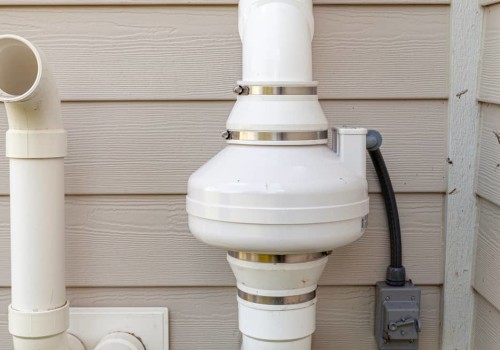
You can purchase a DIY radon test kit or hire a professional to conduct a more comprehensive test. The EPA recommends testing your home every two years or after any major renovations. If high levels of radon are detected, there are several mitigation techniques that can be used to reduce its concentration. These include sealing cracks and openings in your home's foundation and installing a vent pipe system to redirect the gas outside. It's important to note that radon levels can vary greatly between homes, so it's crucial to address the issue as soon as possible. In addition to the potential dangers of radon exposure, it's also important to understand how it can increase your risk for lung cancer.
The radioactive particles released by radon can damage the cells in our lungs and potentially lead to cancer over time. In fact, the EPA estimates that about 7% of lung cancer deaths are caused by radon exposure. Aside from radon inspection and mitigation, there are other related topics that are important for homeowners to be aware of. Home inspections, for example, can help identify potential issues with your home's structure and systems, including radon levels. Air quality testing is also crucial in ensuring the safety and health of your indoor environment, especially for those with respiratory conditions or compromised immune systems. Finally, let's explore solutions for reducing indoor air pollution. The radioactive particles released by radon can damage the cells in our lungs and potentially lead to cancer over time. In fact, the EPA estimates that about 7% of lung cancer deaths are caused by radon exposure. Aside from radon inspection and mitigation, there are other related topics that are important for homeowners to be aware of. Home inspections, for example, can help identify potential issues with your home's structure and systems, including radon levels. Air quality testing is also crucial in ensuring the safety and health of your indoor environment, especially for those with respiratory conditions or compromised immune systems. Finally, let's explore solutions for reducing indoor air pollution.
In addition to addressing specific issues like radon gas, there are other steps that can be taken to improve the overall air quality in your home. These include using air purifiers with HEPA filters, properly ventilating your home to allow fresh air in, and avoiding the use of harmful chemicals and products. In conclusion, understanding radon gas and other contaminants is crucial in protecting ourselves and our families from potential health risks. By educating ourselves on the dangers of radon exposure and taking proactive steps to test and mitigate its presence in our homes, we can greatly reduce our risk for lung cancer and other respiratory issues. Don't wait, take action now to ensure a safer and healthier indoor environment for you and your loved ones.
Reducing Indoor Air Pollution
use HTML structure with radon inspection, testing, and mitigation only for main keywords and Radon gas and other contaminants can pose serious health risks, especially in our homes.In this article, we will cover all you need to know about radon inspection, testing, and mitigation. We'll also discuss the dangers of radon exposure and how it can contribute to lung cancer. Whether you're looking for information on home inspections and air quality testing or seeking solutions for indoor air pollution, this article has got you covered.
Understanding Radon Gas
Radon gas is a colorless and odorless radioactive gas that can be found in many homes and buildings. It is formed from the natural breakdown of uranium in soil, rocks, and water.When radon is released from the ground, it can enter our homes through cracks and gaps in the foundation, floors, and walls. This gas can accumulate in enclosed spaces, especially in poorly ventilated areas. Aside from radon, there are other common indoor air pollutants that can also pose health risks, such as carbon monoxide, formaldehyde, and mold. These pollutants can come from various sources, including household products, building materials, and outdoor pollution that seeps into our homes. It is important to understand the basics of radon gas and other common indoor air pollutants in order to protect ourselves and our loved ones from potential health hazards. In the following sections, we will discuss the dangers of radon exposure and how it can contribute to lung cancer, as well as provide information on home inspections and air quality testing.
We will also explore solutions for reducing indoor air pollution and improving the overall air quality in our homes.
Dangers of Radon Exposure
Radon gas is a naturally occurring radioactive gas that can be found in soil, rock, and water. It is formed by the breakdown of uranium, thorium, and radium in the ground. Radon can enter our homes through cracks and openings in the foundation, and once inside, it can become trapped and accumulate to dangerous levels. Exposure to high levels of radon gas has been linked to an increased risk of lung cancer. In fact, radon is the second leading cause of lung cancer, responsible for about 21,000 deaths each year in the United States alone. When we breathe in radon gas, it can damage the cells lining our lungs, increasing the risk of developing lung cancer.The longer the exposure and the higher the levels of radon, the greater the risk becomes. Unfortunately, many people are not aware of the dangers of radon exposure. Unlike other indoor air pollutants, radon is odorless, tasteless, and invisible, making it difficult to detect without proper testing. But with proper knowledge and precautions, we can reduce our risk of radon exposure and protect ourselves and our loved ones from this silent killer.
Home Inspections and Air Quality Testing
When it comes to the safety of our homes and our health, it's important to be aware of potential hazards and contaminants that may be present. One of the most dangerous indoor air pollutants is radon gas, which can seep into our homes from the ground and accumulate to harmful levels. In order to ensure the safety of our living spaces, it's crucial to conduct regular home inspections and air quality testing. A home inspection should include a thorough check for any signs of radon gas.This can include cracks in the foundation, gaps in walls or floors, and poorly ventilated areas. It's also important to look for any potential sources of radon, such as nearby mines or construction sites. In addition to a visual inspection, it's recommended to test for radon levels in your home. This can be done through a simple DIY test kit or by hiring a professional to conduct a more thorough and accurate test. It's important to note that even if your home has been previously tested for radon, it's recommended to re-test every few years as levels can fluctuate over time. When it comes to testing indoor air quality, there are a few key factors to consider.
This includes checking for high levels of moisture or humidity, which can lead to mold growth and poor air quality. It's also important to check for any potential sources of pollutants, such as chemical products or asbestos-containing materials. Overall, conducting regular home inspections and air quality testing is crucial in identifying and addressing potential hazards in our living spaces. By being proactive in detecting and mitigating radon gas and other contaminants, we can ensure the safety and well-being of ourselves and our families.
Radon Inspection
Radon gas is a colorless and odorless radioactive gas that can seep into homes through cracks in the foundation, walls, or floors. It is a byproduct of the natural decay of uranium found in soil, rocks, and water.High levels of radon gas can pose serious health risks, making it important to regularly test for and mitigate any potential issues. The first step in addressing radon gas is to have a professional radon inspection conducted. This involves testing the air in your home to determine the levels of radon present. There are two types of tests available: short-term and long-term.
Short-term tests provide a quick snapshot of the radon levels in your home, while long-term tests provide a more accurate average over time. If high levels of radon are detected, it is important to take immediate action to mitigate the issue. This typically involves installing a radon mitigation system, which uses a venting system to redirect the gas outside of the home. It is important to hire a certified professional to install the system and regularly test to ensure its effectiveness.
In addition to professional radon inspections, there are also DIY test kits available for purchase. These kits typically involve leaving a testing device in your home for a specified amount of time and then mailing it to a lab for analysis. While these kits may be more convenient and cost-effective, they may not provide the same level of accuracy as a professional inspection. In conclusion, radon gas and other contaminants can have serious impacts on our health, especially in our homes. It's important to understand the dangers of radon exposure and take steps to test and reduce radon levels in our living spaces.
By following the tips outlined in this article, you can improve your indoor air quality and protect yourself and your loved ones from potential health risks.