Welcome to our complete guide on long-term radon testing, a crucial aspect of protecting your home and family. As a homeowner, it is your responsibility to ensure that your loved ones are safe from the harmful effects of radon gas, a radioactive element that can seep into your home undetected. In this article, we will cover everything you need to know about long-term radon testing, including its importance, different methods of testing, and how you can take action to mitigate any potential risks. So let's dive in and learn how you can safeguard your home and family from this invisible threat. To fully understand the importance of long-term radon testing, it's essential to know what radon is and how it can affect your health. Welcome to our complete guide on long-term radon testing, a crucial aspect of protecting your home and family. As a homeowner, it is your responsibility to ensure that your loved ones are safe from the harmful effects of radon gas, a radioactive element that can seep into your home undetected. In this article, we will cover everything you need to know about long-term radon testing, including its importance, different methods of testing, and how you can take action to mitigate any potential risks. So let's dive in and learn how you can safeguard your home and family from this invisible threat. To fully understand the importance of long-term radon testing, it's essential to know what radon is and how it can affect your health.
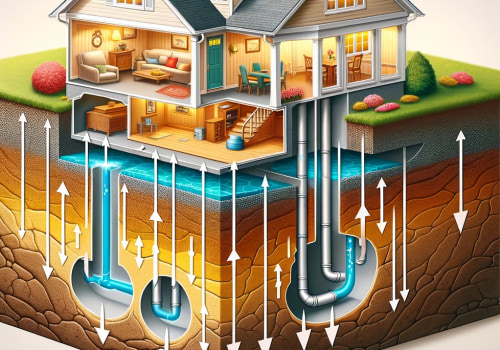
Radon is a naturally occurring radioactive gas that is produced from the breakdown of uranium in soil, rock, and water. It can enter your home through cracks or gaps in the foundation and other openings such as pipes or drains. Once inside, it can build up to dangerous levels and increase your risk of developing lung cancer.When it comes to the safety of your home and family, there are many factors to consider. One that often goes unnoticed is the presence of radon gas.
This odorless, colorless gas is the leading cause of lung cancer among non-smokers in the United States.In this article, we will cover all you need to know about This odorless, colorless gas is the leading cause of lung cancer among non-smokers in the United States. In this article, we will cover all you need to know about long-term radon testing, including how to test for it, mitigate its levels, and improve indoor air quality.If you're wondering why long-term testing is necessary, it's because radon levels can fluctuate over time. Short-term tests may not accurately reflect the true levels of radon in your home. By conducting long-term testing, you can get a more accurate picture of the average radon levels in your home. To test for radon, there are a few different methods you can use. One common method is a passive test, which involves placing a testing device in your home for a period of time and then sending it to a lab for analysis. , including how to test for it, mitigate its levels, and improve indoor air quality. If you're wondering why long-term testing is necessary, it's because radon levels can fluctuate over time. Short-term tests may not accurately reflect the true levels of radon in your home. By conducting long-term testing, you can get a more accurate picture of the average radon levels in your home. To test for radon, there are a few different methods you can use. One common method is a passive test, which involves placing a testing device in your home for a period of time and then sending it to a lab for analysis.
Active tests involve using electronic devices to continuously monitor radon levels. Whichever method you choose, it's important to follow the instructions carefully to ensure accurate results. If your long-term radon test reveals high levels of radon in your home, don't panic. There are steps you can take to mitigate the levels and improve indoor air quality. One method is to seal any cracks or gaps in your foundation to prevent radon from entering your home.
Another option is to install a radon mitigation system, which involves using pipes and fans to redirect radon gas from your home. In addition to testing and mitigation, there are other ways to improve indoor air quality and reduce your risk of lung cancer. These include regularly changing your HVAC filters, keeping your home well-ventilated, and avoiding smoking indoors. In conclusion, long-term radon testing is crucial for protecting your home and family from the dangers of radon gas. By understanding what radon is, how it can enter your home, and how to test for it, you can take proactive measures to ensure a safe and healthy living environment. Don't wait until it's too late - make sure to test for radon and take necessary steps for mitigation.
How Radon Inspection Can Help Protect Your Home and Family
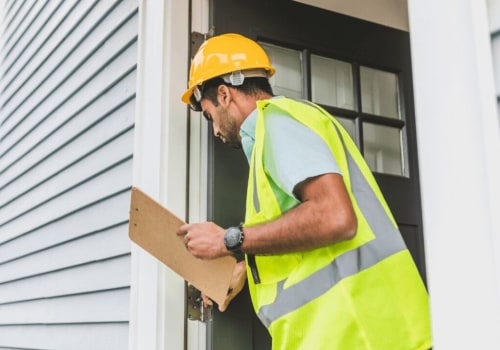
Radon inspection is the first step in protecting your home from this dangerous gas.By conducting a thorough inspection, you can determine if your home has elevated levels of radon and take necessary measures to reduce its levels.
The Different Methods of Radon Testing
When it comes to protecting your home and family from the dangers of radon gas, there are two main methods of testing that you should be aware of - short-term and long-term testing. Each method has its own advantages, and understanding the differences between them can help you make an informed decision about which one is best for your situation.Short-term testing
involves placing a test kit in your home for 2-7 days to measure the immediate levels of radon. This method is typically used as a quick and cost-effective way to get an initial reading of radon levels in your home. However, it may not be the most accurate representation of the average radon levels over time.Long-term testing
, on the other hand, is conducted over a period of 90 days or more to give a more accurate reading of the average radon levels in your home.This method is recommended for more accurate results and to monitor any changes in radon levels over time. It takes into account seasonal variations and fluctuations in radon levels, providing a more comprehensive understanding of the potential risks in your home. Ultimately, long-term testing is recommended for its accuracy and reliability. While short-term testing may give you a quick result, it may not be as comprehensive or reliable as long-term testing. It's important to note that both methods require proper placement and following the instructions carefully for accurate results. Radon testing is a crucial step in protecting your home and family from the dangers of radon exposure.
By conducting regular long-term testing and taking necessary measures to mitigate radon levels, you can ensure a safer and healthier living environment for you and your loved ones.