Radon is a radioactive gas that can seep into your home and pose serious health risks. According to the Environmental Protection Agency (EPA), radon is the second leading cause of lung cancer, responsible for an estimated 21,000 deaths each year in the United States alone. The scary part? Radon is invisible, odorless, and tasteless, making it impossible to detect without proper testing. That's where continuous radon monitoring comes in. Radon is a radioactive gas that can seep into your home and pose serious health risks. According to the Environmental Protection Agency (EPA), radon is the second leading cause of lung cancer, responsible for an estimated 21,000 deaths each year in the United States alone. The scary part? Radon is invisible, odorless, and tasteless, making it impossible to detect without proper testing. That's where continuous radon monitoring comes in.
In this article, we will explore the importance of continuous radon monitoring in ensuring safe and healthy indoor air, particularly in the context of radon testing and mitigation. Whether you're a homeowner or a renter, understanding the dangers of radon and how to monitor it is crucial for protecting yourself and your loved ones. So let's dive into the world of continuous radon monitoring and how it can help keep your indoor air safe. Radon is a radioactive gas that can seep into your home through cracks in the foundation or other openings. Exposure to high levels of radon over a long period of time can lead to lung cancer, making it a serious health concern for homeowners.
This is why radon inspection is crucial for ensuring the safety and health of indoor air. The main purpose of radon inspection is to test for the presence of radon gas in your home and take appropriate measures to reduce it if necessary. There are various testing methods available, including short-term tests, long-term tests, and continuous radon monitors. Short-term tests are usually done for 2-7 days and provide a quick snapshot of the radon levels in your home. While they are convenient and cost-effective, they may not always provide accurate results as they only measure radon levels for a short period of time. On the other hand, long-term tests are more accurate as they are conducted for 3 months or more. They provide a more comprehensive understanding of the radon levels in your home and can help identify any fluctuations over time. However, the most reliable method for radon testing is through continuous radon monitors.
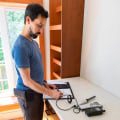
These electronic devices measure the levels of radon gas continuously over a period of time, usually 48 hours or more. They provide real-time data on fluctuations in radon levels and can help identify any sudden spikes or changes. Continuous radon monitors are considered the gold standard for radon testing as they provide the most accurate and reliable results. They are also more expensive than other testing methods, but they are worth the investment for the safety and health of your family. In conclusion, radon is a serious health concern that should not be taken lightly. It is important to regularly test for radon levels in your home and take appropriate measures if necessary.
Continuous radon monitoring is the most reliable method for radon testing and can provide real-time data on fluctuations in radon levels. Remember, the safety and health of your family should always be a top priority.
Understanding the Dangers of Radon Exposure
Radon is a radioactive gas that comes from the natural breakdown of uranium in soil, rock, and water. It can enter your home through cracks in the foundation, gaps around pipes, or other openings. Once inside, it can build up to dangerous levels and become a health hazard for you and your family.Radon is the second leading cause of lung cancer, responsible for about 21,000 deaths every year in the United States alone.
Solutions for Mitigating Radon Levels
If your home has high levels of radon, there are several solutions available to reduce it. The most common method is called sub-slab depressurization, which involves creating a vacuum under the foundation to prevent radon from entering your home. Other methods include sealing cracks and openings, improving ventilation, and installing a radon mitigation system. It is important to consult a professional to determine the best solution for your home.Testing for Radon Levels in Your Home
If you are concerned about radon exposure in your home, it is important to get it tested.The EPA recommends testing every 2 years, as radon levels can fluctuate over time. Continuous radon monitors are the most accurate and reliable method for testing. They are easy to use and provide real-time data on the levels of radon gas in your home. Continuous radon monitoring is crucial for ensuring safe and healthy indoor air quality. Regular testing and mitigation can protect you and your family from the harmful effects of radon exposure. Remember to test your home every 2 years and take action if necessary. The EPA recommends testing every 2 years, as radon levels can fluctuate over time. Continuous radon monitors are the most accurate and reliable method for testing. They are easy to use and provide real-time data on the levels of radon gas in your home. Continuous radon monitoring is crucial for ensuring safe and healthy indoor air quality. Regular testing and mitigation can protect you and your family from the harmful effects of radon exposure. Remember to test your home every 2 years and take action if necessary.
Stay informed and stay safe.